AI Personalization: OpenAI Lets Users Fine-Tune ChatGPT Warmth, Enthusiasm, and Tone Controls
What Is the Update
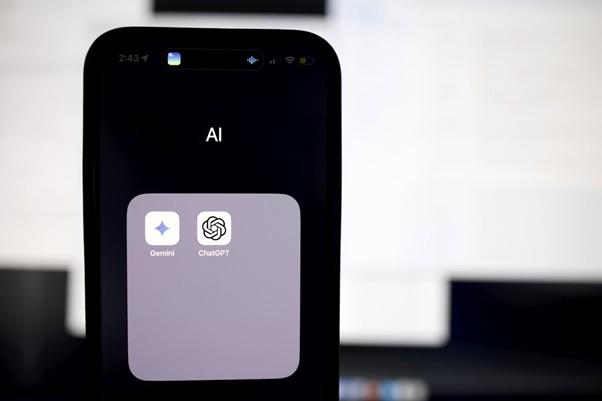
OpenAI has been very good at making a big change to the interface of its ChatGPT that provides users with control over the AI's interaction during a conversation. Rather than having only one tone, users can now change the specific characteristics like warmth, the degree of enthusiasm, and how frequently emojis are used in replies. These possibilities can be found in the chatbot's Personalization settings, under the "Characteristics" subheading.
Each of the characteristics can be adjusted in three different ways: More, Less, or Default. Warmth determines how friendly or neutral the language of the chatbot appears. Enthusiasm is responsible for the languid or lively nature of the answers. Emoji consumption can be increased or decreased based on personal choice. These finely grained controls are in addition to the style and tone presets, such as Professional, Candid, or Quirky, that OpenAI had already made available.
Why It Matters to Users
This update is a response to the continuous input of the users concerning ChatGPT's nature and tone. In the past, when the models like GPT-5 were updated, some users evaluation that the AI was too cold and impersonal. At one time the assistant was overly flattering and even enthusiastic. OpenAI is attempting to increase flexibility and suitability by letting individuals have direct control over the traits.
No matter what the user context is — business, social, literary, or educational — being able to adjust the mood is important. So, for instance, a person writing a business email might go for low warmth and no emojis, whereas a language learner would rather a more supportive and friendly style.
Broader Conversation Around AI Tone
The impact of AI personality on users has been a point of contention for a long time among experts and critics. According to some, the input of AI that is too friendly or flattering has a way of resulting in the user developing a psychological attachment or being biased towards the feedback delivered. Meanwhile, others regard this aspect of the technology as aiding the user by giving them the power to control the nature of the interaction. Through these changes, OpenAI seems to be juggling between user inclinations and ethical design.
Benzatine
This modification is indicative of the development of AI tools in terms of personalization, which is more of a trend than anything else. Customization solutions provide users with the ability to create tools that are tailored to their objectives, as opposed to the traditional one-size-fits-all model. These objectives might include formal writing, technical explanation, casual conversation, or any other requirement. The capability to change tone and affect might impact the extent to which AI tools will be adopted across professions and lifestyles.
MLQ AI
How It Works in Practice
The Personalization menu in ChatGPT is where users find the new features. In this menu, a new section titled “Characteristics” is displayed, where sliders or toggles for warmth, enthusiasm, and emoji usage can be found. These settings are global, which implies that the adaptation of the assistant is consistent rather than the user having to give repeated instructions.
MLQ AI
The launch of the feature is in progress, first as a trial for a limited number of users, then gradually releasing it to a wider audience. OpenAI states that this is part of the continuous effort to make the company's tools seem more practical and flexible and at the same time to be responsive to the actual feedback of the users.
Business News
Ohio Just Achieved a Historic Business Milestone, and Small Businesses Are Celebrating
Business Travel Is Back—So Why Are Employees Refusing to Go?
Babson’s New Master’s Program Lets You Earn a Degree While Launching Your Startup
Diakon Launches Exciting New Activities for Seniors to Stay Active, Healthy, and Connected
New Data Reveals Why the US Economy May Be Stronger Than Expected