Think Americans Are Eating Less Sugar? The Latest Numbers Tell a Different Story
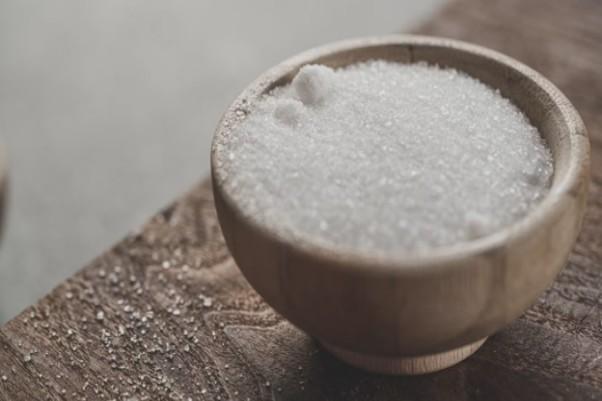
Sugar Consumption Holds Steady Across the United States
Sugar consumption in America is likely to persist despite the heightened awareness about healthy diet trends among consumers. According to recent USDA reports, American consumers continue buying cane and beet sugar products despite a decline in their use of processed sweeteners like high fructose corn syrup (HFCS).
The latest USDA report says that there has been an increase of 0.6 percent in the sale of cane and beet sugars during the first six months of the 2025/26 marketing year. The 2025/26 marketing year began in October 2025. In contrast, there has been a decrease of 3.5 percent in the sale of HFCS.
Consumers Prefer Natural Sweeteners
In accordance with the report by rural bank CoBank, increasing sugar shipments show that the consumption of sugar is steady and unaffected by the ongoing public debates about lowering sugar consumption.
From the report, it is evident that there was a preference for natural sugar over artificial sugar, for example, high-fructose corn syrup. This has been a factor that has helped to ensure stability of the demand for cane and beet sugar in different industries.
One of these industries includes wholesale grocers and food distributors whose growth rate in terms of sugar distribution has been very high. There was an increase in sugar demand from the producers of beverages, bakery products, cereals, and sweets.
Population Growth Supports Sugar Demand
The demand for sugar increased by 0.6%, coinciding with an increase in the population by 0.5% in the year 2025. This means that the per capita consumption of sugar has not changed much.
However, the consumer behavior has remained dynamic. As stated by the International Food Information Council in 2025, 75% of Americans have restricted the consumption of sugar.
Health Trends Could Challenge Future Demand
Despite the robustness of the present-day demand for sugar, the report raises the possibility of potential threats for the industry in the future.
Health-oriented campaigns, such as the Make America Healthy Again campaign (MAHA), still motivate people to cut down on the consumption of added sugars. Moreover, there is an increasing number of GLP-1 weight-loss drugs that may negatively influence people's total consumption of foods. Some experts believe that the size of grocery baskets of active GLP-1 users might be reduced by up to 31% which would decrease the need for various food products including those containing added sugars.
At the moment, the American sugar market appears quite stable due to steady demand of people for natural sugars. However, health-oriented preferences, nutrition policies and weight loss drugs might determine the future of the industry.
Business News
Tyson Foods Shakes Up Its Beef Business: These Major Plant Closures Could Change Everything
From Army Veteran to Award-Winning Entrepreneur: Danielle King’s Inspiring Rise to Success
Amazon Business Hits $60 Billion, How Agentic AI Is Revolutionizing B2B Procurement
How Community Bank Delaware’s $1,000 Donation Is Strengthening the Future of Lewes Firefighters
Autodesk Just Launched a Game-Changing Program Every Small Business Should Know About