The Georgia Debate on Data Centers Could Reshape the Elections in 2026
Growing Anger Over Data Centers
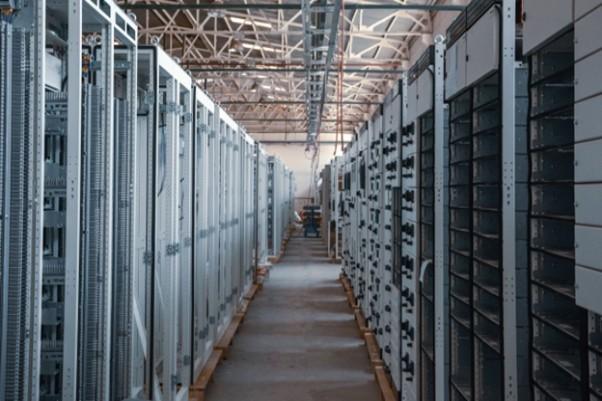
Georgia lawmakers concluded their legislative session by failing to enact significant regulations that would control the increasing number of data centers. The substantial facilities which back artificial intelligence and digital services expansion now experience rapid growth because of tax breaks and high electricity demand. Environmental effects of the facilities are now generating mounting complaints from the local population.
Residents of communities are expressing their concerns about two main issues which include increasing electricity prices and the excessive pressure placed on existing infrastructure. Data centers need substantial power which critics believe will result in higher utility costs for regular customers. The public remains doubtful about utility companies' claims that their large corporate customers will bear all operational expenses.
Political Opportunity for Democrats
Democrats, who are experiencing rising discontent from voters, now have a political opportunity. Democrats achieved important regulatory victories in recent elections through voter dissatisfaction with energy prices and data center development. The party aims to use its existing momentum for success in upcoming statewide elections which include the governor's office and state legislative races.
Some voters who traditionally supported Republicans are reconsidering their choices. Activists and local candidates report that the issue has shifted political opinions, especially in areas where new data centers are planned. The upcoming shift will have a significant impact on the 2026 elections.
Failed Legislative Efforts
The legislative session resulted in discussion of multiple proposals that included tax break restrictions and residential electricity user protection measures but all proposed measures failed to obtain approval.
The session ended without successful consumer protection efforts because political leaders maintained their disagreements. The officials involved in data center development projects face problems because people suspect they have potential conflicts of interest. The critics maintain that business interests control the government decision-making process too much.
Debate Over Costs and Benefits
Data center supporters claim that data centers create economic development and employment opportunities and generate tax income. The supporters also claim that rising power consumption will lead to either cost containment or cost reduction over subsequent years.
The opponents contend that permanent financial obligations will eventually create economic challenges for local residents. Environmental groups and consumer advocates continue to push for stricter regulations and greater transparency.
What Happens Next
The absence of a definite policy solution will keep the problem as a major issue in Georgia politics. The start of election campaigns will make both political parties concentrate their efforts on three issues which include energy expenses, corporate tax breaks, and their effects on local communities.
The discussion about data centers has progressed from its examination of infrastructure requirements to its current status as a political issue which will determine voter preferences and the future direction of state government.
Business News
Community-Inspired Flavors' Celebration Forest Independent Business's First Anniversary
Tariffs and Global Conflicts Squeeze California's Small Businesses
Trump, Angling War and For Violation, Invisibly Turns Back on Pakistan and Iran
What Kind of Business Model Would Help Colorado's Creative Industries?
Small business tax relief in Ohio: Why making the 20-percent deduction permanent matters