Residential Solar Is Slowing—But Home Batteries Are Breaking Records
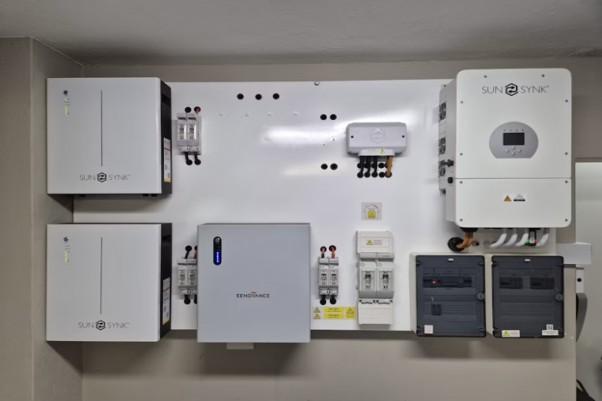
Home Battery Installations Reach Record Levels Across the US
The American domestic battery storage industry is experiencing a boom despite the reality that the U.S. residential solar industry is going through some of its toughest periods ever in history. Despite the lack of any tax breaks, people continue to invest in battery systems to save money on energy bills and get energy.
The information provided by the industry recently reveals that Americans installed a new high of 673 megawatts of battery storage in homes during the first quarter of 2026.
State Incentives Are Fueling Battery Adoption
One of the major factors leading to increased battery installations is that of increasing incentives programs provided at the state level. While there are no more tax incentives for federal solar roof installation from the government, there are still some state governments providing rebates to battery installation projects.
Some of the states that have had the highest numbers of installations include California, Hawaii, Texas, and Arizona. It has been because of expensive power, unreliable grids, and storage policies that people have resorted to battery installations even without installing any additional solar panels. Experts view this as an example of the importance of state policies for renewable energy.
Battery Demand Continues Even as Solar Installations Decline
Solar installation in the residential sector has come to an abrupt halt following the end of major government incentives in the industry. The market projections predict a substantial decline in the installation of residential solar within the year 2026, making this year one of the worst for the market.
On the other hand, the trend in battery storage appears to be on the rise. Most customers have preferred to acquire batteries either with their solar installations or as standalone equipment. The consumers gain from the capability of batteries to charge when electricity rates are low and discharge when power rates are high.
Growing Electricity Demand Strengthens the Case for Storage
With the rapid development in AI, data centers, and electrification, it will become more difficult to manage the stress imposed on the power grid in the United States because the utilities are trying to find ways to cope with their growing energy demands in order to keep the grid stable.
The use of battery energy storage systems has been essential in this issue because the battery stores the excess energy and returns it into the grid as needed. However, the battery does not generate any energy unlike a power plant.
The Outlook for Home Energy Storage Remains Strong
Despite possible challenges ahead in the residential solar sector, the outlook seems promising as regards the development of battery storage. Reduction in the cost of batteries, state government policies, and increasing demand for energy security will keep stimulating people’s interest in batteries.
As more and more consumers look for protection against rising energy prices and interruptions, it can be expected that the use of battery storage will eventually become an indispensable part of every American household. As the solar industry adapts to new policies, the energy storage sector is one of the quickest-growing sectors in the development of America’s energy grid system.
Business News
Autodesk Just Launched a Game-Changing Program Every Small Business Should Know About
Rice University's Historic New Business Hall Is Set to Transform the Future of Business Education
US Sales Are Surging Faster Than Inventories—Here's Why It Matters for the Economy
Abilene's Young Business Owners Prove Age Is Just a Number at Children's Business Fair
Ohio Just Achieved a Historic Business Milestone, and Small Businesses Are Celebrating