U.S. Tech Giants Warn Visa-Holding Employees to Avoid International Travel Due to Processing Delays
What Companies Are Saying
SIGNIFICANT U.S. TECH FIRMS such as GOOGLE, APPLE, MICROSOFT, and SERVICENOW HAVE ISSUED INTERNAL ADVICES. The co-workers concerned with visas are suggested to reconsider their plans for trips overseas. These recommendations are based on the fact that U.S. embassies and consulates are experiencing severe delays in visa stamping appointments, with the wait extending for many months, leaving the employees unable to return to the United States.
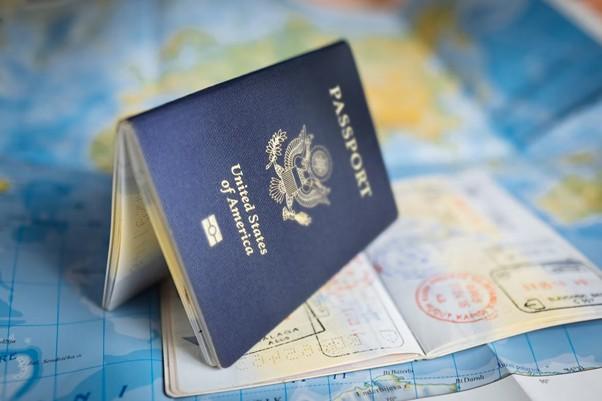
These advisories were communicated in legal and immigration memos sent to the staff and the companies that indicated the visa processing backlogs, some said to last up to a year, have the employees risking being marooned overseas if they go on a trip without having a current visa stamp on their passport.
Why Delays Are Happening
The delays are a result of new U.S. immigration policies that demand more thorough background checks on applicants, including a review of their social media activity. As a result, the processing time at embassies and consulates around the globe, especially for the standard work visas like H-1B, H-4, F, J, and M categories, has slowed down. Immigration law firms that are handling such cases for companies have confirmed that it is getting very difficult to find the appointment slots, and the few available ones are often rescheduled for a period that is much later than the original schedule.
Normally visa stamping processes require employees to go back to their home country to renew or update their visa. The long waiting times mean that an employee whose visa stamp expires while he/she is out of the U.S. may find it impossible to get a new appointment soon enough to be allowed to enter again and join the work.
Who Is Affected
The travel advisory covers a wide range of foreign nationals, about tens of thousands, who are working in the U.S. tech industry. Companies like Google and Apple have very big international workforces that extensively depend on work visas such as H-1B and H-4 for Skilled Technical Roles.Microsoft alongside others who serve as representatives for the impacted visa holders is keeping a close eye on the situation to see how such delays affect staffing decisions and project timelines.
Companies are advising their employees with these types of visas to get in touch with their respective immigration teams before making any travel plans. In some scenarios, employees may apply for faster appointments or put off travel plans until processing eases. Nevertheless, even with legal advice, the appointment could still be delayed as a result of the systematic backlog experienced in the entire process.
What This Means for the Tech Workforce
The warning carries implications that are pervading the entire U.S. immigration policy and the subsequent global tech talent pool. Longer delays accompanied by extra scrutiny may shy away international workers from venturing the U.S. or create even worse shortages in skilled labor in areas like engineering and research.
Travel restrictions and associated warnings negatively affect companies' global operations and the mobility of their workforce. The technology sector has international staff not just for specialized roles but also for flying from one office to another or working with the teams at the other end of the globe. Thus, limiting travel could ease the communication between the parties, interrupt project development, and in the long run, affect the hiring prospects.
Broader Policy Debate
This scenario has rekindled the debate concerning the U.S. immigration policy and whether it can still be considered as an advantage for companies in the competitive market. People against the delay in visa processing assert that it makes the nation's chances of attracting and retaining the best international professionals slimmer, in particular because other nations are more than ready to provide faster or surer ways for skilled workers to come in. Conversely, the supporters of rigorous procedures affirm that it is a necessary evil in the respect of national security and to guarantee that immigration regulations are being observed.
Business News
S.F. Street Food Law Raises Concerns For Vendors Regarding Higher Costs
How Industrial IoT Is Actually Changing Traditional OT Systems
6 Signs It’s Time to Upgrade to a Modern Massage Chair
Why the Best Cold Email Software Matters for Lead Generation
How Personal Injury Law Protects You When Accidents Turn Life Upside Down