How Fashionphile Founder Built a Luxury Resale Empire from eBay to Millions
From eBay Seller to Luxury Resale Leader
Sarah Davis was selling things on eBay to cover her law school expenses when she realized that luxury products — particularly designer handbags — were much more value-retentive than regular clothes. Based on that revelation, in 1999 she started Fashionphile which dealt primarily with the pre-owned luxury brands like Chanel, Hermès, Gucci, and Louis Vuitton.
Today, the company is one of the major resellers of the luxury secondhand market worldwide with over 1.5 million registered customers, and it was chosen as the exclusive resale partner of Neiman Marcus.
The Path to Growth Was a Slow One and Self-Financed
Davis didn’t take the venture funding route like most startups. Instead, she kept on growing Fashionphile slowly by continuing to deposit the monies from sales back into the business for 20 years. The company’s conservative strategy made it capable of staying profitable and strong when the same period challengers had already fueled their growth with large capital rounds.
At the time of the company’s early stage, she turned down the proposal that would have had her sell part of the company for $400,000. Her explanation was that the money at that time would not be able to help stocks or staff to grow the business.
Omnichannel Expansion
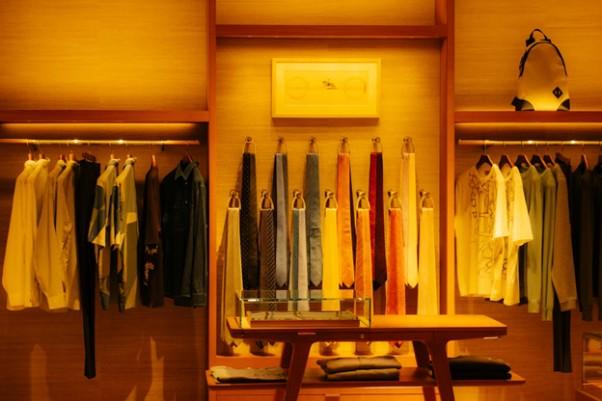
Fashionphile was initially a purely online reseller platform and later it ventured into brick-and-mortar stores. The change to omnichannel retail gives the customers freedom to sell and buy luxury goods at their convenience whether it is online or in-store thus providing both trust and ease to the brand.
The main stores that are located in places like stand-alone stores in Beverly Hills, San Francisco, San Diego, and New York give people a chance to get their luxury stuff checked on the spot and experience more of the brand.
Market Context and Business Performance
Presently, Fashionphile is within the luxury resale market in the US that is worth $32.47 billion and is anticipated to increase to more than $50 billion by 2030.
The expansion is a reflection of broad consumer trends that are more focused on sustainability and value whereby consumers mostly opt for pre-owned goods instead of buying new ones.
Fashionphile's yearly revenue increased by 12 %, while unit sales went up by 16 % and customer acquisition was more than 10 % year-over-year.
Looking Ahead
Fashionphile, with the support of its brand, is planning to grow further by opening more physical stores, apart from investing in technology such as AI for authentication and a better digital customer experience.
Davis argues that one of the main reasons for the company’s triumph is the high-quality relationship it maintains with its customers. She points out that personal communication and great service are the factors that set Fashionphile apart in a competitive luxury market.
Business News
S.F. Street Food Law Raises Concerns For Vendors Regarding Higher Costs
How Industrial IoT Is Actually Changing Traditional OT Systems
6 Signs It’s Time to Upgrade to a Modern Massage Chair
Why the Best Cold Email Software Matters for Lead Generation
How Personal Injury Law Protects You When Accidents Turn Life Upside Down