Ebola Outbreak Sparks Fresh Warnings — U.S. Hospitals Told to Prepare Immediately
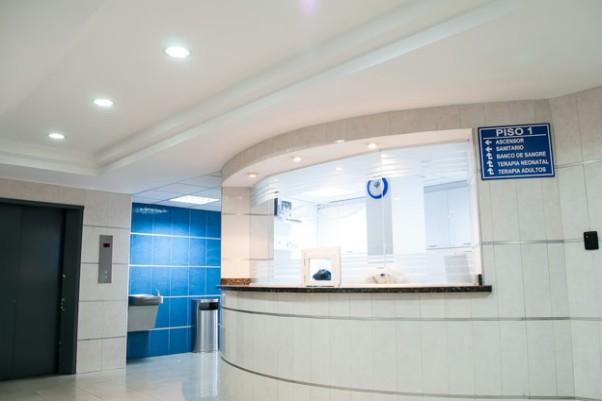
Ebola Cases Raise Global Health Concerns
Healthcare experts are calling on U.S. hospitals and medical systems to review emergency preparedness plans as an Ebola outbreak continues to spread in the Democratic Republic of the Congo (DRC).
The World Health Organization has reported more than 1,000 cases linked to the outbreak, including confirmed and suspected infections. The disease has already caused hundreds of deaths in the northeastern Ituri province.
WHO Director-General Tedros Adhanom Ghebreyesus recently visited the region and said the outbreak can still be contained despite ongoing challenges.
Conflict Complicates Medical Response
The outbreak is happening in a region that’s been hit by armed conflict and population displacement, you know, the kind where things get messy fast. Health organizations say that insecurity is really making it harder to reach patients , send supplies, and then actually do contact tracing properly.
Right now the outbreak is tied to the Bundibugyo strain of Ebola, and as of now there is no approved vaccine or treatment for it. Still, health agencies are thinking about setting up clinical trials for possible vaccines and therapies, kind of testing what might work in practice.
Meanwhile, the neighboring countries have ramped up border monitoring to cut down the risk of additional spread, before it spills over again, so to speak.
U.S. Health Systems Reviewing Preparedness Plans
American healthcare leaders are being encouraged to circle back on their infection-control methods and make sure the staff are actually trained so they can spot a possible Ebola case quickly, kind of without delay.
The U.S. Centers for Disease Control and Prevention says hospitals should keep up proper protective gear, isolation procedures, and communication channels with public health authorities.
In addition , CDC guidance also points out that healthcare providers should go ahead and immediately notify the local health department if Ebola is suspected, even if it’s just a first impression.
Importance of Early Detection
Experts say that early recognition is still one of the most important tools for controlling outbreaks. Patients who return from impacted regions and then develop symptoms like fever, weakness, vomiting, or bleeding should be looked at carefully, right away.
At the same time, healthcare systems are being pushed to upgrade their lab testing capacity and keep emergency response coordination in place.
Even though Ebola is rare in the United States, public health officials insist that readiness is essential, since travel abroad can spread infectious illnesses across borders pretty quickly.
Global Cooperation Needed
WHO and UNICEF are still sending medical aid and supply kits to the affected communities in Congo, so officials say the international cooperation will be critical for curbing the outbreak and helping avoid additional deaths.
Health experts also stressed that solid hospital readiness, fast reaction systems and worldwide coordination, will stay essential when it comes to controlling highly infectious diseases.
Business News
Tyson Foods Shakes Up Its Beef Business: These Major Plant Closures Could Change Everything
From Army Veteran to Award-Winning Entrepreneur: Danielle King’s Inspiring Rise to Success
Amazon Business Hits $60 Billion, How Agentic AI Is Revolutionizing B2B Procurement
How Community Bank Delaware’s $1,000 Donation Is Strengthening the Future of Lewes Firefighters
Autodesk Just Launched a Game-Changing Program Every Small Business Should Know About