The Future of Oil Analysis Labs in a Changing Industrial World
How Oil Analysis Labs Started
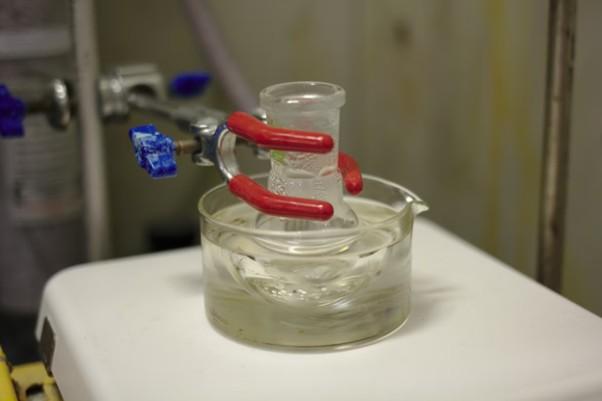
Over the past five decades, oil analysis laboratories have been indispensable in the maintenance of industrial plants. They enable shutdown-free operations in mining, transport, and power. Thus, these companies get maximum output through reduced maintenance and increased reliability. Oil analysis became an integral part of reliability programs by providing early detection of both lubricant wear and contamination.
A Changing Technological Landscape
The oil analysis laboratories of today are confronted with novel challenges as well as prospects owing to the elevation of electrification, automation, and digital data in industries. The same way that the digital cameras and changing consumer behavior reshaped and made traditional photography nearly obsolete, the oil analysis laboratories have to undergo transformations to remain relevant in a world that is heavily relying on real-time sensors, AI (Artificial Intelligence), and digital condition monitoring.
The Value of Traditional Methods
Traditional oil analysis has been changed by these changes but still, it provides unique value. It is an early mechanical problem detection method that is reliable and has been used for a long time, thus it is the best alternative for a component's failure, and besides that, the method can also assist in the operator's decision making about the maintenance which would be very cost-effective. This way, many companies are receiving a solid return on their investment through increased uptime and avoiding expensive downtimes.
New Challenges: Real-Time Data and Sensor Technology
The emergence of real-time sensors and predictive analytics has changed the game; equipment health can now be monitored around the clock and not just by way of now and then oil tests. The application of machine learning algorithms enables the detection of patterns in machines' embedded sensors, providing instant knowledge about the performances' alterations. This transition allows oil analysis laboratories to innovate in terms of speed and embedding in their services so that the digital monitoring systems will be complemented.
Adapting to Remain Relevant
Industry experts suggest that laboratories should open up to new approaches if they want to remain significant. Among the innovations are AI-assisted data interpretation, collaboration with online tracking of products, and introducing such services that unite classic and contemporary intelligence. A few laboratories have begun to take on such hybrid methods, merging sensor data together with lab test results to provide a more comprehensive view of the condition of the equipment.
Balancing Tradition and Innovation
It is highly probable that the oil analysis laboratories of the future will consist of a combination of the most reliable chemical analysis expertise, when going forward, to become quite and good consultants and partners that understand the value of data. One way to maintain existing standards in an era where companies require instant intelligence and digital inferences is by applying the latest technology to the traditional methods already in use at the laboratories.
Business News
Tyson Foods Shakes Up Its Beef Business: These Major Plant Closures Could Change Everything
From Army Veteran to Award-Winning Entrepreneur: Danielle King’s Inspiring Rise to Success
Amazon Business Hits $60 Billion, How Agentic AI Is Revolutionizing B2B Procurement
How Community Bank Delaware’s $1,000 Donation Is Strengthening the Future of Lewes Firefighters
Autodesk Just Launched a Game-Changing Program Every Small Business Should Know About