Drexel’s Embrace of ChatGPT Raises Concerns About Academic Integrity and Ethics
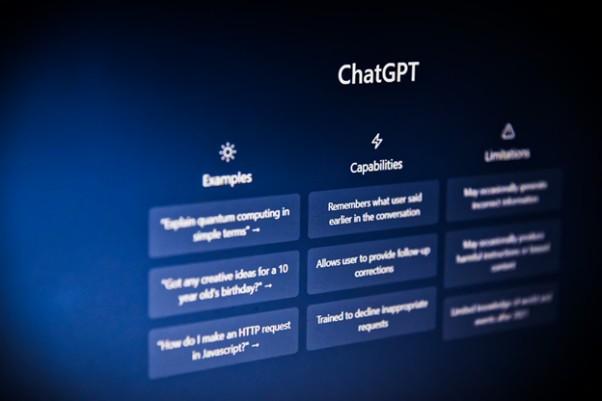
Drexel University Adopts ChatGPT for Students
Recently, Drexel University declared its collaboration with OpenAI, which will allow students to use ChatGPT Edu - a version of the AI chatbot with increased usage limits and privacy protections. The deal was presented by the university officials as a way to promote technological innovation and research.
Yet, the action has attracted a lot of criticism from certain parts of the university community who dispute the educational value of this technology and the impact on society in general of using such a technology in academic life.
Cost and Underlying Motives
Drexel's method - providing ChatGPT access for a very low price to students - is considered by critics as superfluous. The point is that the majority of pupils are already using free or basic AI services on their own. The institution's reduced price deal which is presumed to be nearly $2.50 per student per month does not help education but rather the commercial technology supplier who will be able to enlarge its user base and get more funds for its infrastructure.
Environmental Impact of AI Use
One of the major issues that was raised is the environmental price of AI. The big data centers that support systems such as ChatGPT consume large amounts of energy and water for cooling. Some estimates say that even brief conversations with AI use a lot of water. Critics say that this practice leads to environmental degradation, which includes the draining of natural water sources and could thus have global repercussions in the distant future.
Threat to Creative and Academic Work
One more big objection has to do with intellectual property and fairness. The use of AI tools involves training on large-scale datasets that consist of creative works such as literature, music, and academic materials without the consent or payment to the original creators. Critics say this brings down the value of human creativity and makes it easier for AI to imitate and produce new versions of text, thus robbing the authors, artists, and researchers of their due credit.
Moreover, there are concerns that the use of AI in education might have a detrimental effect on the learning process in a university setting. The students who heavily depend on AI for essay writing and source interpretation might not acquire the necessary skills in critical thinking and source evaluation which are the main areas of competency in higher education.
Ethical Implications for the Arts
The critics point out the arts and humanities as the areas most affected by the technology. Involving AI tools in artistic fields might communicate a dual message: promoting the use of machines among students for writing or art might lower the importance of human effort and undermine the value of extensive knowledge.
Conclusion: A Contentious Campus Debate
Drexel's decision to adopt ChatGPT Edu is indicative of larger trends in the higher education sector, nonetheless, it raises significant ethical and educational questions. For some critics, the cooperation implicates unwarranted corporate alignment and a surrender of academic rigor. The others might interpret it as a gesture of innovation. The discussion is still ongoing as universities try to figure out how to deal with the possible effects of AI in their teaching-and-learning contexts.
Business News
Community-Inspired Flavors' Celebration Forest Independent Business's First Anniversary
Tariffs and Global Conflicts Squeeze California's Small Businesses
Trump, Angling War and For Violation, Invisibly Turns Back on Pakistan and Iran
What Kind of Business Model Would Help Colorado's Creative Industries?
Small business tax relief in Ohio: Why making the 20-percent deduction permanent matters