Peak Power has tested a 3.1MWh Sodium-Ion Battery system at the RWE Wisconsin laboratory
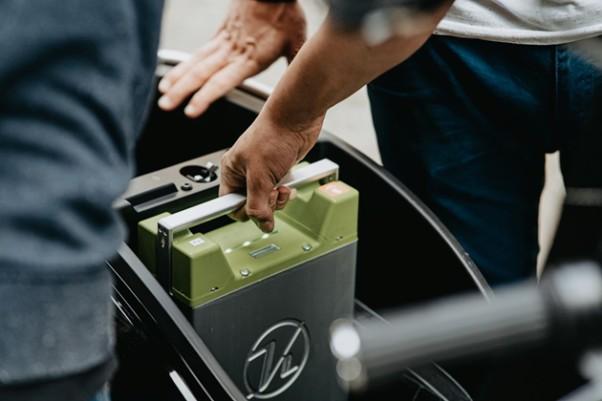
New Pilot Project for Sodium-Ion Batteries
U.S. startup Peak Energy is preparing to test a 3.1-megawatt-hour battery energy storage system at an RWE research facility in eastern Wisconsin. The pilot project will evaluate the performance of the company’s sodium-ion battery technology and explore future commercial deployment opportunities.
The two parties are currently negotiating trial success criteria and testing schedule for their Peak Energy and RWE collaboration. The project demonstrates sodium-ion batteries which serve as dependable energy storage systems that compete with conventional lithium-ion batteries.
How the Battery Technology Works
The company’s battery design uses sodium-ion phosphate pyrophosphate cells and eliminates moving parts in its storage system. Peak Energy states that this method decreases typical mechanical failure locations which leads to better system performance.
The batteries feature active cooling systems together with ventilation systems which work to keep their operating conditions stable. Cooling systems need to be installed in most lithium-ion battery systems because they serve two purposes: they prevent batteries from overheating and they help decrease fire hazards.
Peak Energy technology enables organizations to achieve energy storage cost reductions which amount to approximately $70 per kilowatt-hour throughout the entire system lifespan. The savings mainly come from lower operating and maintenance expenses and reduced need for system upgrades over time.
Performance and Operating Conditions
The system will achieve 96 percent round-trip efficiency when it begins operations according to the company which claims this performance matches or exceeds multiple lithium-ion systems.
The system can function under both high and low temperature conditions, which serves as another benefit for its operation. The batteries can function in environments ranging from –40°C to 55°C, making them suitable for a wide variety of climates.
The system uses passive heating elements to sustain performance in extremely cold weather conditions, which operates in the same way as temperature control systems found in lithium-ion systems.
Growing Demand for Energy Storage
The project demonstrates the growing requirement for extensive energy storage solutions throughout the entire United States power grid system. The Midcontinent Independent System Operator region, which includes Wisconsin, will need to expand its battery storage capabilities by 500 percent before the year 2035.
The region experiences increasing electricity demand which combined with its outdated systems and restricted power transmission capacity leads to changing electricity costs. The market experienced a capacity price increase that exceeded 2000 percent during the summer of 2025.
Peak Energy and other companies work on new battery technologies to create solutions that will stabilize electricity supply while decreasing energy expenses over time.
Business News
Ohio Just Achieved a Historic Business Milestone, and Small Businesses Are Celebrating
Business Travel Is Back—So Why Are Employees Refusing to Go?
Babson’s New Master’s Program Lets You Earn a Degree While Launching Your Startup
Diakon Launches Exciting New Activities for Seniors to Stay Active, Healthy, and Connected
New Data Reveals Why the US Economy May Be Stronger Than Expected