Starbucks to Pay $35 Million to 15,000 New York Workers in Major Settlement
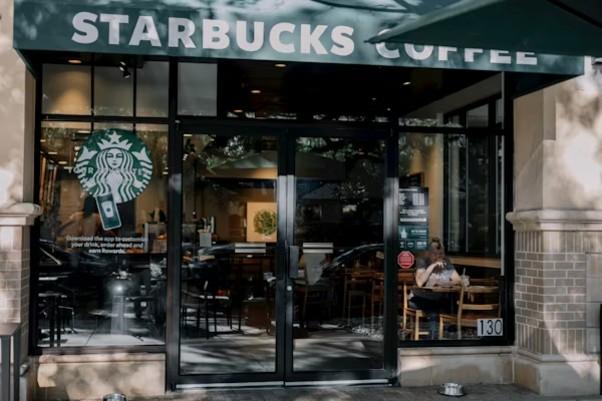
New York City officials announced that Starbucks will pay approximately $35 million to over 15,000 workers to settle claims that it violated the city’s work-schedule laws by denying stable schedules and arbitrarily cutting hours.
The agreement also carries a $3.4 million civil penalty, bringing the total to nearly $38.9 million, the largest worker-protection settlement in the city’s history. Under the terms, eligible hourly employees will receive $50 for each week worked from July 2021 to July 2024. Those laid off during recent store closures also get the opportunity to return to other locations.
This settlement comes amid a strike by unionized Starbucks baristas demanding better hours and increased staffing. Protests drew support from major figures, including the incoming New York mayor and a U.S. Senator, who visited picket lines to show solidarity.
Striking workers described chronic short-staffing, unpredictable schedules, and last-minute changes that made planning their lives, from child care to education, extremely difficult. Many remained part-time because they were denied opportunities to pick up extra shifts.
Starbucks, meanwhile, has pointed out that adherence to the city’s law presents operational challenges. The company said it intends to comply with the law moving forward.
For affected workers: if someone worked two years during the period (about 104 weeks), the payout might exceed $5,000. For workers with longer tenure, the restitution could be substantially higher.
What this really means is that Starbucks is being compelled to address systemic scheduling abuses. For 15,000 workers in New York, often on tight budgets, this settlement could make a real difference. It also sets a precedent for other companies operating in cities with strict scheduling laws, reminding them that labor laws are enforceable and workers do have recourse.
Business News
Tyson Foods Shakes Up Its Beef Business: These Major Plant Closures Could Change Everything
From Army Veteran to Award-Winning Entrepreneur: Danielle King’s Inspiring Rise to Success
Amazon Business Hits $60 Billion, How Agentic AI Is Revolutionizing B2B Procurement
How Community Bank Delaware’s $1,000 Donation Is Strengthening the Future of Lewes Firefighters
Autodesk Just Launched a Game-Changing Program Every Small Business Should Know About