Samsung’s New Ultrasound System Aims to Make Every Scan Consistent
What’s New
Samsung Healthcare has introduced a new ultrasound system called R20 ultrasound system. The announcement was made at the 2025 conference of Radiological Society of North America (RSNA) in Chicago. The R20 is the first ultrasound platform from Samsung that fully combines its imaging hardware and AI capabilities.
The R20 uses improved “beamforming” software to produce sharper and more consistent images than older machines. It supports a wide range of applications, abdomen, thyroid, musculoskeletal, vascular, breast, gynecology, and urology.
Why It Matters
Ultrasound quality has historically varied widely depending on the user’s experience. One expert from Samsung compared it to painting, if the operator does not have the right skill, the output may be unclear or misleading. The R20’s real-time guidance aims to reduce that variability.
More consistent image quality could lead to more accurate diagnoses, fewer repeat scans, and faster patient throughput. That matters for both patients and clinics, reducing time and stress while improving diagnostic confidence.
How It Works
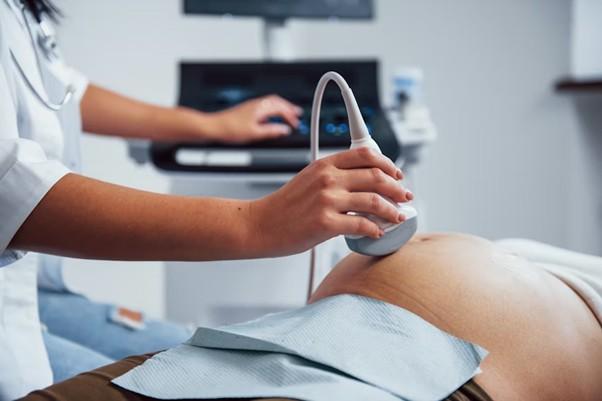
During a scan, the R20 offers real-time AI-driven assistance. It can guide less-experienced operators to capture images correctly and help detect suspicious findings (such as liver or breast lesions) live. This guidance and diagnostic support makes the system helpful not just for expert sonographers but for general practitioners too.
The combination of advanced hardware and AI software helps ensure consistent image clarity across different operators and settings. That reduces reliance on individual skill and experience.
What It Could Change
If widely adopted, the R20 could change how ultrasound diagnostics are delivered, making high-quality scans more accessible and less dependent on highly trained specialists. Clinics with limited experienced staff could benefit significantly.
In areas with high demand for imaging, or places where staff shortages create bottlenecks, this could lead to faster, more reliable diagnostic services. Patients could get faster results, fewer repeat appointments, and potentially better outcomes.
It does not replace a clinician’s judgement, but augments it, giving providers tools to deliver consistent quality. That makes ultrasound more reliable and scalable.
Business News
Tyson Foods Shakes Up Its Beef Business: These Major Plant Closures Could Change Everything
From Army Veteran to Award-Winning Entrepreneur: Danielle King’s Inspiring Rise to Success
Amazon Business Hits $60 Billion, How Agentic AI Is Revolutionizing B2B Procurement
How Community Bank Delaware’s $1,000 Donation Is Strengthening the Future of Lewes Firefighters
Autodesk Just Launched a Game-Changing Program Every Small Business Should Know About