How Austria Stores Summer Solar Energy Underground as Hydrogen for Winter Power
Introduction: Seasonal Energy Storage Is a Big Challenge
Austria is in the process of showcasing a novel method of storing excess summer solar power underground and consuming it in winter months which makes renewable energy available throughout the year. Conventional short-term storage technologies, like batteries or pumped hydropower, can only manage hours or days at best. They are unable to facilitate the seasonal shift from high summer energy generation to high winter demand. This is where massive long-term storage becomes critical for a reliable renewable energy future.
Turning a Former Gas Reservoir into a Seasonal Hydrogen Storage
Gampern in the vicinity witnessed the collaboration of RAG Austria AG, the biggest energy storage company in Austria, and INNIO Group, the provider of energy technology, to redevelop an old natural gas reservoir for seasonal energy storing purposes. The mentioned reservoir is located in porous sandstone which is more than 1,000 meters underground. Normally, such deep geological formations were occupied by natural gas, and there are similar structures in Europe that together provide about 81% of the total working gas storage capacity in Europe.
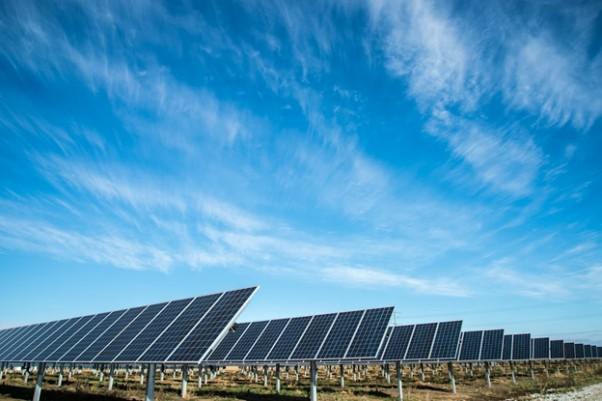
The Underground Sun Storage project enables the use of excess solar energy in summertime for the production of hydrogen through an electrolyser. This green hydrogen is then injected and securely stored in the underground structure for several months — even over years — until the winter season. When the demand arises, the stored hydrogen is retrieved and converted back into heat and electricity.
How It Works: From Sunlight to Winter Power
At the location Gampern, the 1 MW combined heat and power (CHP) plant from the INNIO Group is at the forefront of the hydrogen conversion process into power. It is expected that this plant will reach its full capacity with the beginning of the heating season in mid-2024 which means that it can produce green electricity and industrial heat. The gas produced through the electrolysis process is then further treated by an electrolyser that pressurises it before sending it underground. During times of high power demand, hydrogen gets to the CHP plant through underground valves that are opened for the conversion of power and heat.
One of the features of the CHP technology that is of utmost importance is its inherent capability to adapt as per the situation. The Jenbacher engines are not limited to burning only pure hydrogen; they can also operate on a mixture of gas or natural gas in case the hydrogen supply is inadequate. This practice guarantees an uninterrupted energy supply and system robustness in spite of variations in hydrogen supply.
Benefits: Flexibility, Predictability, and Future Growth
One of the main advantages of this type of storage is its predictability. Operators are able to budget their energy costs for the whole year in advance because the daily balancing of the hydrogen storage does not affect the volume of stored energy that remains constant for months. The Head of Gas Storage Operations at RAG Austria points out that large-scale hydrogen storage and long-term use greatly improve energy security and cost forecasting.
The Gampern site is not only a trial facility but also a model for future growth at the same time. Within the next ten to fifteen years, RAG Austria plans to construct several large-scale hydrogen storage sites just like it did with natural gas storage. The potential to scale this solar-to-hydrogen storage model could lead to seasonal renewable energy storage being an option not only in Austria but the rest of the world as well.
Conclusion: A Step Toward a Reliable Renewable Future
The project demonstrates that storing hydrogen underground is a feasible and at the same time a large-scale seasonal renewal energy storage solution. By maintaining peak demand in winter and capturing large summer solar energy, Austria is creating a model that can greatly assist in Europe's shift towards a safe and clean energy system.
Business News
Ohio Just Achieved a Historic Business Milestone, and Small Businesses Are Celebrating
Business Travel Is Back—So Why Are Employees Refusing to Go?
Babson’s New Master’s Program Lets You Earn a Degree While Launching Your Startup
Diakon Launches Exciting New Activities for Seniors to Stay Active, Healthy, and Connected
New Data Reveals Why the US Economy May Be Stronger Than Expected