IoT in Agriculture Using Satellite Technologies
What Is Satellite-Enabled IoT?
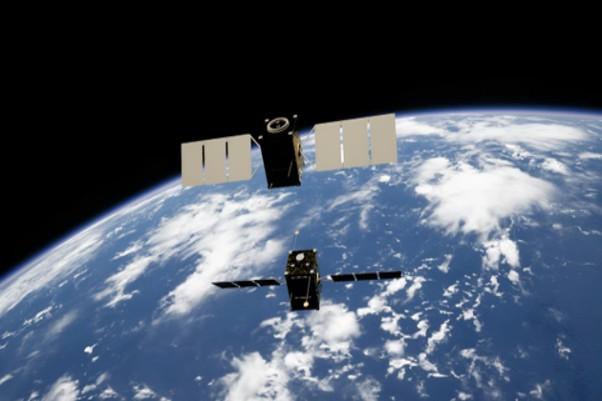
Satellite-enabled Internet of Things (IoT) systems use small sensors which transmit satellite communications to collect real-time data from agricultural areas that lack cellular coverage. The systems depend on low-power sensors which connect through long-range networks that include LoRaWAN and satellite systems to transmit data to cloud platforms.
Practical Applications on Farms
The technologies assist farmers in monitoring essential environmental variables which include soil moisture and temperature and humidity and CO₂ levels and water supplies. The continuous data reporting sensors provide growers with real-time information about crop conditions which enables them to optimize their water usage while improving their crop yield predictions.
Agricultural areas that use satellite IoT technology achieve complete coverage because the system does not depend on local mobile networks to function in remote areas which include drylands and rangelands and sparsely populated regions. The system enables data collection and analysis capabilities which go beyond the limitations of conventional networks.
Bridging Gaps in Connectivity and Resource Use
Satellite IoT provides weather-resistant connectivity that extends over long distances to support climate-smart agricultural practices. Farmers can adapt to evolving conditions because they can optimize their irrigation and fertilizer use, which decreases environmental damage and resource waste.
Skills and Innovation Programs
Some projects are combining satellite Internet of Things technology with educational programs which support emerging agricultural entrepreneurs. In South Africa, farmers who participate in innovation networks use satellite-based Internet of Things systems for data collection and business skill acquisition, which helps them build competitive advantages in agribusiness.
Why It Matters
Data-driven agriculture which falls under the broader category of digital agriculture needs to be developed because it provides vital support for both agricultural productivity and sustainable practices that will meet the rising global demand for food. Farmers can use detailed data to predict crop stress better while minimizing their resource use and making operational choices that boost their farm's productivity and resilience.
Business News
Tyson Foods Shakes Up Its Beef Business: These Major Plant Closures Could Change Everything
From Army Veteran to Award-Winning Entrepreneur: Danielle King’s Inspiring Rise to Success
Amazon Business Hits $60 Billion, How Agentic AI Is Revolutionizing B2B Procurement
How Community Bank Delaware’s $1,000 Donation Is Strengthening the Future of Lewes Firefighters
Autodesk Just Launched a Game-Changing Program Every Small Business Should Know About