AI and Cloud Tech Come to the Rescue of Grid Planning: MISO and Microsoft Introduce Azure-Powered Platform
A New Collaboration to Transform U.S. Power Grid Operations
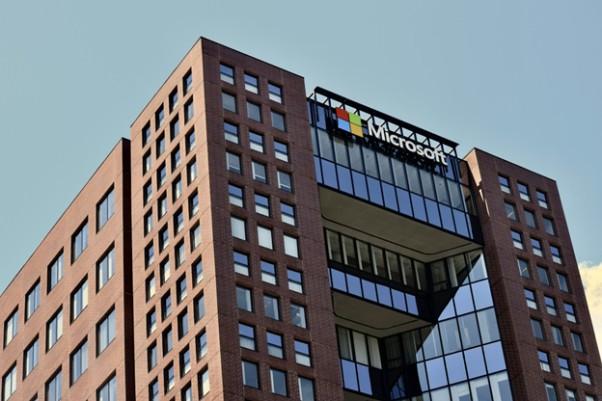
The Midcontinent Independent System Operator (MISO), North America's major grid operator, has teamed up with Microsoft to create an AI-driven data platform on Microsoft Azure aimed at modernizing the electricity systems and their planning, analysis, and management processes. The initiative is to speed up decision-making, increase grid reliability, and support better connectivity of the green power sources, all because of the growing demand for electricity from the grid.
MISO has the responsibility of managing the main power grid and of the wholesale markets in 15 U.S. states plus part of Canada. The grid is experiencing pressure due to the increasing demand, which mainly comes from data centers, more electrification, and the generation of renewables — all these have more sophisticated planning tools as the requirement. What were once weeks-long traditional planning cycles can now be very much shortened, giving almost real-time forecasting and operational insights.
Unified Data Platform Built on Azure and AI
The Microsoft Azure cloud infrastructure will be the foundation of the new platform and the grid's operational and planning data will be combined through the use of Azure AI and Foundry technologies. The incorporation of machine learning and sophisticated analytics will make it easier to forecast conditions on the grid, control the flow of power, and plan the construction of transmission lines in the long term. This becomes more and more necessary as the grid becomes harder to manage due to the introduction of new energy sources and the inconsistency of wind and solar generation.
MISO representatives pointed out that the use of the cloud-native analytics will give the operators and engineers the power to take quicker and more supported data decisions. The applications of Microsoft Power BI and Microsoft 365 Copilot will provide the decision-makers with the visual dashboards, collaborative insights, and analytical workflows that were previously difficult or impossible to create with the traditional systems. Darryl Willis from Microsoft said the collaboration is going to be about the "future-ready, resilient and sustainable grid" which will be able to foresee the challenges and not just react to them.
Impact on Reliability and Renewable Integration
One of the main goals of the partnership is to have a more reliable MISO network, especially in case of extreme weather conditions or sudden changes in power consumption. Operators will be provided with AI-based tools for forecasting and modeling which will enable them to see patterns and recognize threats before they turn into outages or reliability issues. Besides, these capabilities will also ease the transition toward renewable energy sources and the control of the congestion that comes with it when new power plants are connected to the grid.
Some industry experts consider this partnership to be a prototype for the utility companies' future adoption of the cloud and AI technologies in order to be able to cope with the changing energy market. The demand for such scalable, reliable systems that shorten the decision-making process will be very high in the case of grid stability and efficiency as long as the data centers and electrification continue to grow.
Business News
Tyson Foods Shakes Up Its Beef Business: These Major Plant Closures Could Change Everything
From Army Veteran to Award-Winning Entrepreneur: Danielle King’s Inspiring Rise to Success
Amazon Business Hits $60 Billion, How Agentic AI Is Revolutionizing B2B Procurement
How Community Bank Delaware’s $1,000 Donation Is Strengthening the Future of Lewes Firefighters
Autodesk Just Launched a Game-Changing Program Every Small Business Should Know About